
Tidy Up History Knowledge Books & Identification
Study the collection so mystery objects become correctly labeled exhibits.
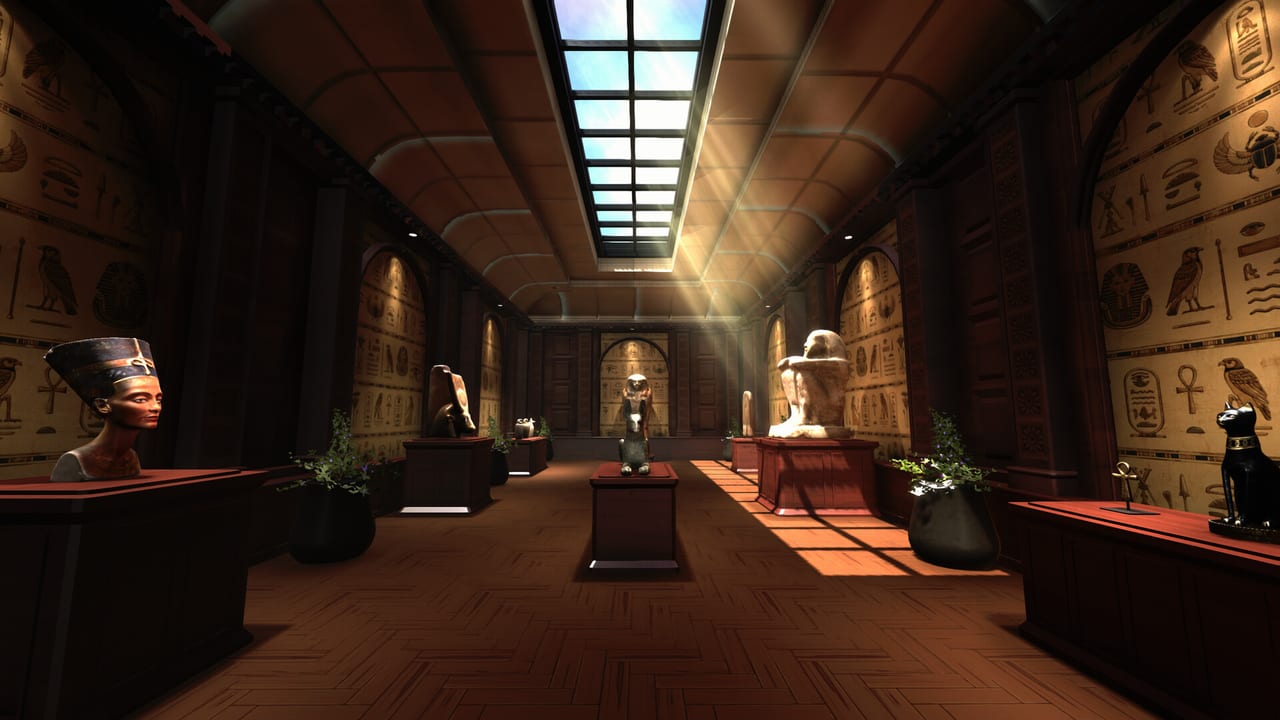
Cleaning removes dirt. Placement needs knowledge. In Tidy Up History, Casual Human makes learning part of the loop: you uncover historical information, identify mysterious objects, and only then showcase them with confidence. Knowledge books and study materials are how the museum teaches you its own catalog. Skip them and you will drown in unlabeled pieces. Read them and the same pile becomes a solvable puzzle.
What knowledge does in gameplay
Knowledge unlocks the ability to properly identify artifacts and fossils so they can sit on the correct displays with correct labels. Without it, you are guessing eras and species. With it, Artifacts and Labels stops feeling like random shelf Tetris and starts feeling like curation.
Expect knowledge to matter for:
- Cultural objects across Stone Age, Mesopotamia, Ancient Egypt, Ancient Greece/Rome, Ancient China, Ancient India, Ancient Japan/Korea, Medieval Europe, Islamic World, Subsaharan Kingdoms, Mesoamerica/Andean, and Indigenous North America halls.
- Prehistoric identification supporting Cerapoda, Theropods, Ornithopods & Thyreophorans, and Non-Dinosaurian mounts — see Dinosaur Skeletons.
- Achievement lines such as Knowledgeable and Archivist.
Finding study materials
Books and readable props hide in plain sight:
- Shelves in offices, side rooms, and gallery niches
- Desks and carts left in messy halls
- Areas you unlock later via Keys and Wings
- Spots revealed only after clutter is cleared — another reason to follow Cleaning and Repairs
Search like a librarian, not a speedrunner. Slow camera sweeps along shelf rows catch spines and papers that sprinting misses — Controls.
Study loop (recommended)
- Enter a hall and note any obvious bookcases during your orientation lap.
- Clear enough clutter to reach them safely.
- Interact with every unread knowledge source before deep-sorting mystery piles.
- Return to staged unknown artifacts and attempt identification again.
- Place newly understood pieces in the correct wing.
- Mark the knowledge source as done mentally so you do not recheck endlessly.
If you pick up a baffling object mid-clean, park it, finish the immediate dirt patch, then hit the nearest unread books. Context switching mid-stain wastes motion; short deferrals are fine.
Knowledge vs brute-force placement
Some cozy games allow endless trial-and-error seating. Even when Tidy Up History lets you attempt a place, brute force teaches bad habits:
- You forget which pedestal you already tried.
- You contaminate eras.
- You miss Archivist / Knowledgeable progress that wants genuine study.
Prefer unlock → recognize → place. Guessing is a backup when you have exhausted readable material in accessible wings, not the default.
Linking knowledge to room themes
Each hall in Museum Rooms is a syllabus. When you read about a culture or clade, walk that lesson to the matching gallery while it is fresh. Studying Egypt and then wandering only Theropods for an hour leaks memory. Micro-tour after each book: “Which room did I just unlock understanding for?” then visit it.
XP and knowledge
Identification and restoration both feed progression. Studying is not a side activity — it unblocks high-value placements that grant XP and clear mental inventory. Spend resulting levels on abilities that highlight objects or speed repairs so future study sessions happen in cleaner spaces — Abilities and XP.
Archivist mindset
Play as if you are rebuilding the museum’s research library as well as its exhibits:
- Never leave a wing “finished” if an obvious bookshelf went unread.
- After opening a new wing, prioritize its knowledge corners early so artifact floods are readable.
- Keep unknowns staged by suspected era once knowledge gives you partial clues.
- Recheck old offices after major unlocks; new keys sometimes gate the book that explains an old mystery object.
That mindset aligns with Archivist and Knowledgeable unlocks tracked on Achievements.
Session template focused on knowledge
- Pick one open wing with a large unknown pile.
- Sweep strictly for books and study props (fifteen minutes).
- Read everything found.
- Sort the unknown pile into Identified-now / Still-mystery.
- Place Identified-now completely.
- If Still-mystery remains, decide whether another wing’s books are the missing piece — then keyhunt or travel accordingly.
Common mistakes
- Saving all reading for later until the floor is a landfill of mystery items.
- Reading without applying — knowledge unused is just flavor text.
- Ignoring Non-Dinosaurian or smaller cultural rooms’ libraries.
- Assuming a stuck object needs a key when it needs a book.
- Skipping desk clutter that literally sits on top of the tome you need.
How this page fits the campaign
Getting Started tells you to touch knowledge early. Walkthrough times wing opens so you are not crushed by unidentified stock. This page is the craft guide for the study verb itself.
Remember: the grand opening is not only clean floors — it is true labels. Visitors in your imagination deserve both, and the Steam achievement list agrees. Single-player means you set the curriculum; make knowledge a scheduled class, not homework you never start.
Frequently Asked Questions
Quick answers to the most common questions.
Why can I not identify an artifact yet?
You likely need unread knowledge in an accessible area. Sweep shelves after cleaning clutter, then retry placement with Artifacts and Labels.
Do knowledge books matter for dinosaurs too?
Yes — identification helps seat fossil parts on the correct mounts. See Dinosaur Skeletons.
Which achievements care about studying?
Knowledgeable and Archivist style unlocks — details on Achievements.
When should I read versus clean?
Clear enough clutter to reach books early in a hall, read, then deep-clean and place. Full dirt craft is in Cleaning and Repairs.
Could the book I need be behind a locked door?
Sometimes. If accessible libraries are exhausted, progress keys via Keys and Wings and check new offices immediately.